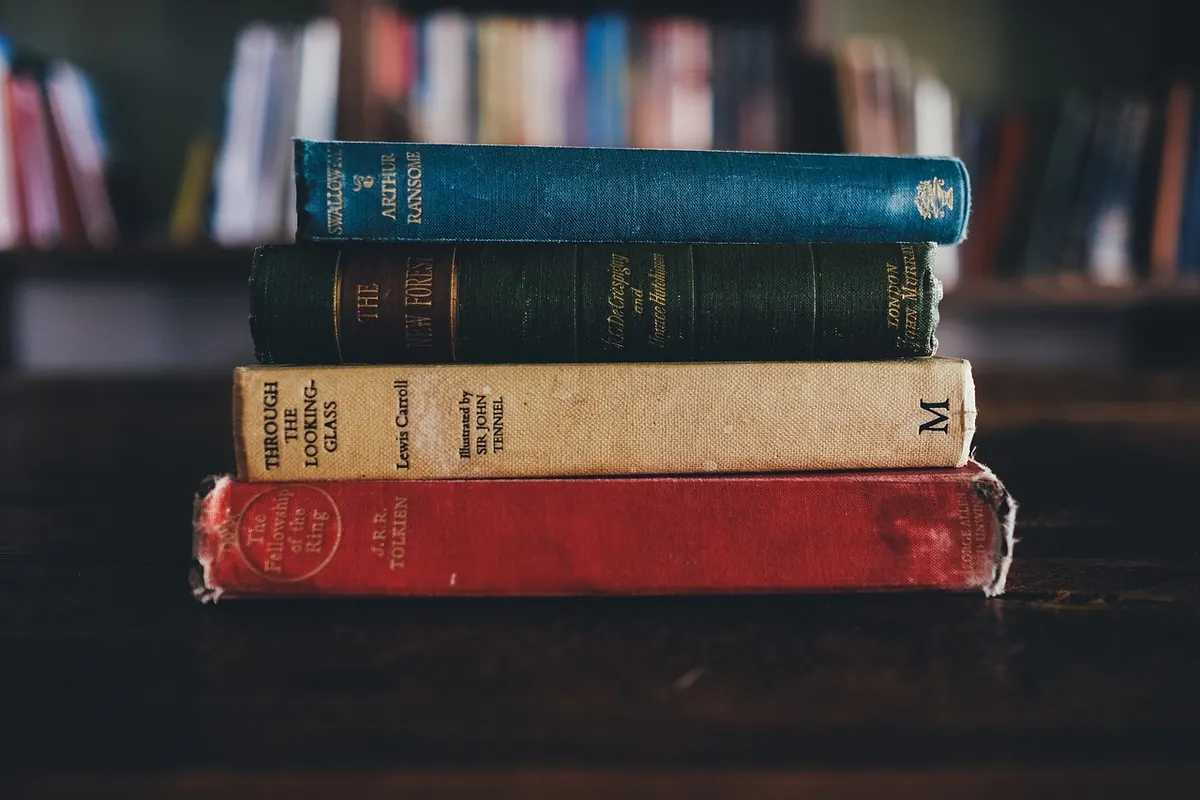
Classics have a reputation problem. Say the word and most readers picture a brick-thick Victorian novel, small grey type, and the quiet suspicion that everyone else in the room understood something they missed. The reality is friendlier. Plenty of classics are short, suspenseful and genuinely hard to put down — they became classics because people enjoyed them, not because teachers assigned them. A classic is simply a book that kept being read after its first readers died, and the reason is usually that it tells a good story well.
The trick is choosing well, and giving yourself permission to use a few props along the way. Here's how to pick a first classic, eight titles that will carry you, a handful of habits that keep the pages turning, and a four-week plan to get the habit going.
Your first classic matters more than your fifth
The first one sets the tone for everything after it. Start with Middlemarch because it keeps appearing on lists of books you ought to have read, and you'll spend three weeks feeling slow before giving up around page 120. Finish a novella in an evening, and you close the back cover thinking: that was good, what else has this person written?
Momentum beats ambition. So the first rule is blunt — choose the shortest book with the clearest story. Under 250 pages, ideally under 150. A plot you could summarise in two sentences. One narrator you can follow without checking who is speaking.
There's a second, quieter benefit to starting small. Short classics teach you the rhythms of older prose — the long sentences, the formal dialogue, the slower openings — without asking you to hold a cast of thirty in your head at the same time. By the time you reach the big nineteenth-century novels, that style feels like a familiar room rather than a foreign country.
What to look for in a first classic
Run every candidate through these five filters before you commit:
- Length. Novellas and short novels first. You'll be halfway through before the novelty wears off, which is precisely when most readers quit.
- Plot. One main thread, moving forwards. Mysteries, adventures, ghost stories and dramas with a ticking clock all work well.
- Narration. A single, consistent voice is far easier than a dozen narrators or a swirling omniscient one.
- Familiarity. If you know the rough shape of the story from a film or a stage version, you'll spend less energy working out what's happening and more on how it's told.
- Edition. A cheap second-hand paperback with normal-sized type beats a handsome hardback with cramped print. This is a reading project, not a shelf project.
One thing to skip at first: the introduction. Academic introductions routinely discuss the ending and the author's intentions, which is not what you need on page one. Read the novel, then go back for the introduction and notes — they're far more interesting once you know the story.
Eight accessible classics to start with
Animal Farm by George Orwell
Around 100 pages and the clearest possible starting point. A farmyard fable that darkens into something else entirely, told in plain, deliberate prose. Two sittings.
Strange Case of Dr Jekyll and Mr Hyde by Robert Louis Stevenson
A short Victorian thriller built on a mystery almost everyone half-knows already. Brisk prose, thick atmosphere, one afternoon.
Of Mice and Men by John Steinbeck
About 100 pages, mostly dialogue: two migrant workers, a shared dream, and a sense of doom gathering from the first chapter.
A Christmas Carol by Charles Dickens
Dickens without the sprawl. Five chapters, one ghost each, and a plot you know inside out. If Dickens has always looked intimidating, this is the way in.
The Hound of the Baskervilles by Arthur Conan Doyle
Fog, a moor, a family curse and chapters that end on hooks. The most purely plot-driven book here — proof that a classic can be as readable as anything published this year.
The Great Gatsby by F. Scott Fitzgerald
Short, glamorous and addictive, with parties, secrets and a narrator slowly working out what everyone around him already knows. Under 200 pages, and the last page is worth the whole book.
Passing by Nella Larsen
Two childhood friends meet again in 1920s Harlem, one of them living as a white woman. Slim, tense and full of things left unsaid — the kind of book you finish in an evening and think about for weeks.
Fahrenheit 451 by Ray Bradbury
A future where firemen burn books, and one of them starts hiding them instead. Fast, strange and hard to put down, with a plot that pulls you straight through.
How to read a classic without grinding to a halt
Most stalled reading projects don't fail because the book is too hard. They fail because the reader stops for two days and never quite picks it up again. A few small habits keep that from happening:
- Read the plot summary first. Not the introduction — a two-paragraph online synopsis. Knowing the shape of the story frees you to notice the writing instead of straining to follow it.
- Set pages, not deadlines. Twenty pages a day finishes a short novel in a week. It also gives you a stopping point, which makes the daily start easier.
- Keep a bookmark and a pencil. Jot names and page numbers on the bookmark as you meet people. A six-name cast list written in your own hand beats flipping backwards.
- Don't stop for every unfamiliar word. Mark it, guess from context, keep moving. Look it up at the end of the chapter if it still bothers you.
- Skim the scenery. You are allowed to move faster over a description of a hedge than over an argument between two people.
- Try the audiobook for chapter one. Hearing the sentences once often makes the printed page click on the second pass.
The first fifty pages are the toll you pay for the rest of the book. Almost every classic asks you to learn its voice before it gives you its plot. Plan for that, and don't judge it until page sixty.
A four-week plan to get the habit going
Fifteen to twenty minutes a day, at the same time each day, with the book left out where you can see it. That's the whole system.
- Week one: Animal Farm. Short enough to finish in two or three sittings, so you get the feeling of completion fast.
- Week two: Strange Case of Dr Jekyll and Mr Hyde. Slightly more atmosphere, same short length. Notice how quickly you settle into Victorian prose this time.
- Week three: Of Mice and Men. A book built on dialogue, so the pages move quickly even when nothing much happens on them.
- Week four: you choose. Pick whatever tempted you from the list above — or a different classic entirely, using the five filters.
Four books in a month sounds like a lot. At a hundred pages each, it's about fourteen pages a day, which is less time than an episode of anything.
If it isn't working, put it down
Give a book fifty pages, or three evenings, and then decide honestly. Liking a classic is not a moral achievement, and forcing yourself through one you resent is the fastest way to convince yourself that classics aren't for you. Some books are simply wrong for a particular month.
The books you finish teach you more than the books you admire. Put down the one you're dreading and pick up the one you're curious about.
Then come back to the abandoned one in a year. Plenty of readers who bounced off Wuthering Heights at nineteen fall for it at thirty-five. Timing is part of taste.
Start with something under 150 pages that you could explain to a friend in one sentence. Read it in a week. Then do it again. Collect enough of those weeks and one day you'll notice the brick-thick Victorian novel on your shelf doesn't look intimidating at all — it just looks like the next thing to read.
Photo: AnnieSpratt / Pixabay