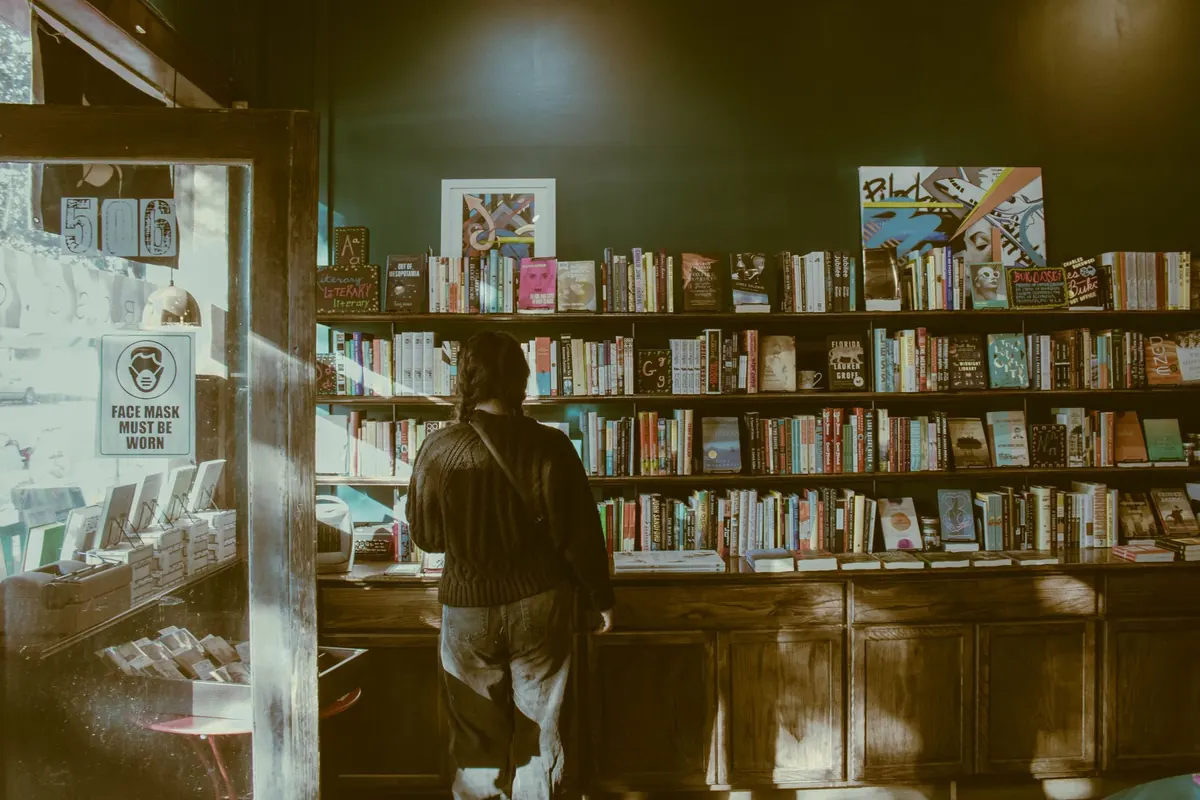
A home library rarely arrives in one delivery. It grows: a charity shop find here, a birthday gift there, a shelf put up on a wet bank holiday. The pleasure is in the accumulation, and it costs far less than the price tags in a chain bookshop suggest.
This checklist is for UK readers who want a proper collection without a proper budget. It covers where to look, what to check before you pay, how to store books so they last, and when borrowing beats buying.
Decide What Kind of Library You Want First
Before you buy anything, spend an evening writing a wish list. Not a vague one — an actual page in a notebook, split into three columns: books you want to read soon, books you want to own (cookery, reference, poetry, the complete works of one author), and books you are merely curious about.
That third column is the library's job, not yours. Keeping the distinction in mind stops you filling shelves with hardbacks you would read once. Two hundred books you love will serve you better than eight hundred you bought because they were cheap.
Then set two limits. The first is physical: measure the wall you have in mind and note whether it is an outside wall, which tends to be colder and damper. The second is a monthly spending ceiling, chosen by you. Even a modest figure turns impulse buys into deliberate choices.
Where to Find Second-Hand Bargains
On the high street
- Charity shops. Oxfam runs dedicated bookshops in many towns, and most other charities keep a shelf or two. Stock turns over quickly, so visit the same shops regularly rather than once.
- Independent second-hand bookshops. Ask what is out the back. Many keep overspill stock that never reaches the shelves, and a polite question often produces something good.
- Library sales. Withdrawn stock is sold for a nominal sum, usually in aid of the friends group. Expect worn spines and old library stamps, and plenty of decent reading copies.
- Jumble sales, church halls and car boot sales. Go early, take cash in small notes and bring a sturdy bag. Late morning is when sellers start accepting low offers.
- National Trust properties, cathedrals and village halls often have a small second-hand book corner near the tearoom. These are quiet goldmines for local history and old Penguins.
Online
Marketplace sites and specialist second-hand sellers are useful for tracking down a specific title, particularly out-of-print ones. The catch is postage: one bundle from a single seller usually costs less than three separate orders. Local Facebook groups, Freegle and Freecycle are better still, since collection is free and people often give away boxes at a time when they move house. If you are chasing anything valuable or collectible, take advice from a reputable antiquarian bookseller before parting with serious money.
Check the Book Before You Pay
A quick inspection saves shelf space and disappointment. Look for a cracked spine, loose pages, water staining, brown spotting on the page edges and a strong smell of damp. That last one matters most: a musty book can taint everything beside it, and no amount of airing fully cures it.
A missing dust jacket matters to collectors, not to readers. Previous owners' notes and names can add charm, though they do reduce resale value. If a book is described as a first edition, check the title page against the jacket and read the copyright page — a genuine first printing usually names no later reprint. Anything expensive deserves a second opinion.
Shelving Without Spending Much
Measure the wall, then shop for the shelf. Charity furniture shops, auction houses and online freebie groups regularly list bookcases for a fraction of new prices, and solid wood ones hold weight far better than the thin chipboard of budget flat-packs.
Other options that work: scaffold boards on heavy-duty brackets, planks across stacked bricks for a temporary fix, and wine crates turned on their sides. Whatever you fix to a wall, make sure it is anchored into something solid. If you are unsure about the wall or the weight involved, pay someone who knows.
Keep shelves out of direct sunlight, which fades spines, and leave a small gap behind the books so air can move against the wall. Resist filling every shelf to the brim; a little breathing room makes it easier to pull a book out without tugging its neighbours.
Organise Shelves So You Can Find Things
Alphabetical by author is the classic approach, but a hybrid usually works best: broad sections by genre or subject, then alphabetical within each. Poetry, cookery, reference and fiction rarely sit comfortably together anyway.
Face a handful of favourite covers outwards for the pleasure of it. Keep one shelf for books in progress and one for borrowed ones, so library loans never disappear into the collection. A simple spreadsheet, or a free catalogue site, will stop you buying the same title twice.
When to Borrow Rather Than Buy
New releases, crime novels and most popular non-fiction are library books. Read them once, return them, and save the shelf space for what you will revisit. Your library card also unlocks ebooks and audiobooks through the Libby and BorrowBox apps, plus reservations and inter-library loans for older titles, sometimes for a small charge.
Reading groups and author events are worth watching too, and they cost nothing. Treat the library as a test drive: if a book earns a permanent place, buy your own copy afterwards, ideally second-hand.
A Practical Weekend Checklist
- Write the three-column wish list and set a monthly ceiling.
- Measure the wall and note where the light falls.
- Find a bookcase second-hand, or price up boards and brackets.
- Clear one shelf for borrowed books and one for current reading.
- Plan a Saturday route: two charity shops, one car boot sale, one library sale.
- Inspect every book for damp, damage and duplicates before paying.
- Shelve the new arrivals the same day, and cull anything you have not touched in years.
Do that once, and the library starts building itself. Buy slowly, buy well, borrow freely, and the shelves will fill with books that are actually worth keeping.
Photo: image4you / Pixabay